

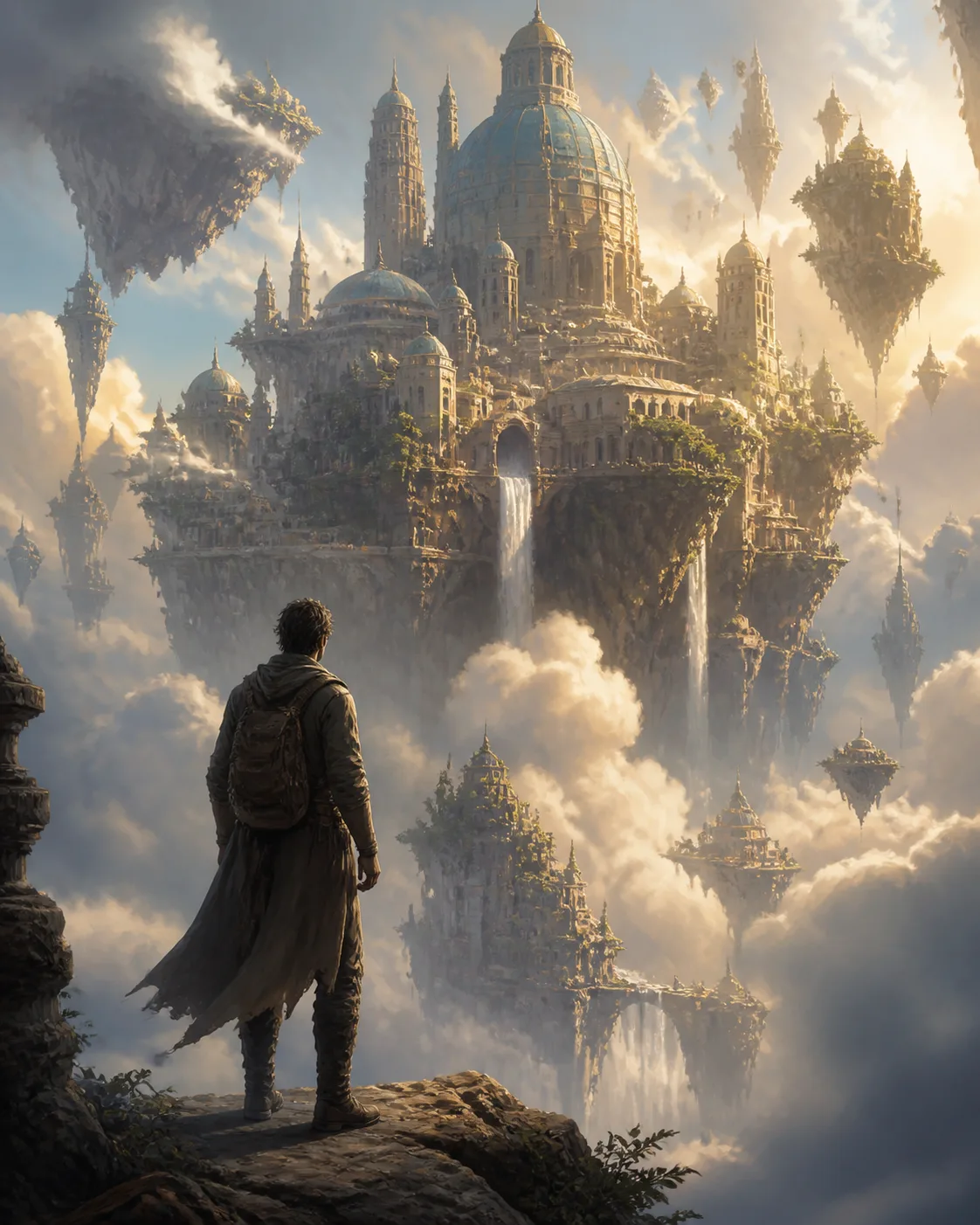
Visual characteristics
Develop a character, environment, or object reference into concept art that communicates shape, function, scale, and atmosphere.
Concept art prioritizes design communication over finished polish. Clear silhouettes, functional details, value grouping, scale cues, and selective rendering help a team understand what an idea could become.
Subjects that suit this style
- Character costumes and equipment
- Vehicles, props, and product forms
- Environments with clear foreground and scale references
Recommended reference images
- Choose a reference that clearly shows the shape or design problem you want to explore.
- Leave space around the subject when silhouette or environmental scale may change.
- Use simple lighting so structural decisions remain easy to read.
How to apply the Concept Art AI Generator
Choose a suitable reference
Choose a reference that clearly shows the shape or design problem you want to explore.
Add optional style preferences
If you have specific preferences, use the prompt box to describe the look you want and any people, composition, or product details that should stay unchanged. Leave it blank to use the default style.
Generate and review
Review the displayed credit estimate, submit the task, then check the generated result in Workspace.
What the Concept Art AI Generator changes
The result may simplify some regions while developing shape language, functional parts, materials, and environmental context around the central idea.
Limits to review
Concept art is exploratory, not a manufacturing drawing or final continuity reference. Measurements, repeated components, and hidden mechanics require separate validation.
Suitable use cases
- Early character and costume direction
- Prop, vehicle, and environment exploration
- Visual briefs for games, film, and campaigns
Compare related styles
Try another style when the subject or intended use needs a different look.
Style questions
- What defines this visual style?
- Concept art communicates a design decision quickly through silhouette, structure, scale, materials, and selective detail rather than final rendering alone.
- What kind of image works best?
- Use a clear sketch, object, character, or environment reference that exposes the main shape and leaves room for design development.
- What will change in the source image?
- The result may simplify some regions while developing shape language, functional parts, materials, and environmental context around the central idea.
- Which details need the closest review?
- Concept art is exploratory, not a manufacturing drawing or final continuity reference. Measurements, repeated components, and hidden mechanics require separate validation.
- What is this style useful for?
- Common uses include Early character and costume direction; Prop, vehicle, and environment exploration; Visual briefs for games, film, and campaigns. Choose another style when the subject or final use needs a different medium, level of realism, or visual emphasis.